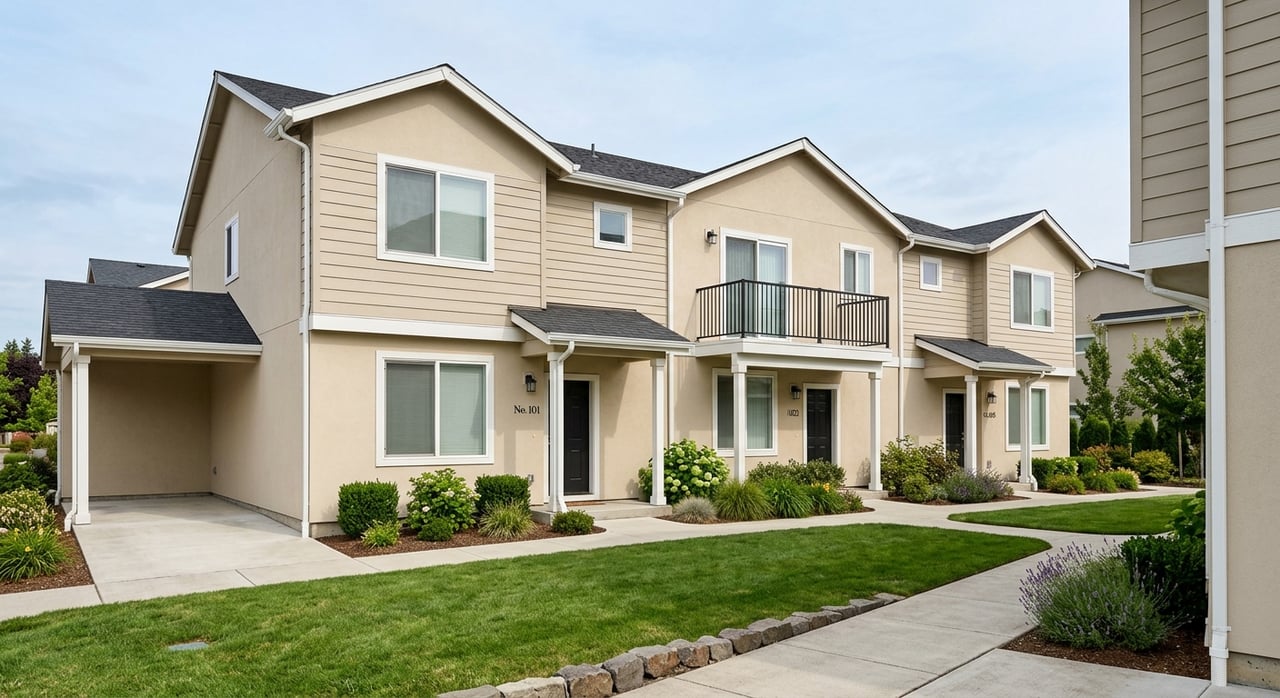
Mililani Neighborhood Buyer Guide: Townhomes, Town vs. Mauka
May 21, 2026
May 21, 2026
Thinking about Mililani but not sure where to start? That is a common feeling, especially if you are relocating to Oʻahu or trying to narrow down the right fit between a more established area and a newer-feeling one. This guide will help you understand how Mililani is laid out, what kinds of townhomes and neighborhood pockets you may find, and what ownership looks like here so you can shop with more confidence. Let’s dive in.
Mililani is one of Central Oʻahu’s most recognizable master-planned communities. According to the Mililani Town Association strategic plan, it includes 15,829 homes across more than 3,500 acres and is organized into two main sections: Mililani Town and Mililani Mauka.
The community was planned beginning in 1958, with first sales in Mililani Town in 1968, Mililani Mauka starting in 1990, and final Mililani sales in 2008. That long development timeline matters because it helps explain why different parts of Mililani can feel distinct in layout, age, and housing style.
Mililani is also known for being a complete neighborhood rather than just a collection of homes. Community materials describe shopping centers, parks, recreation centers, churches, health care, professional offices, two fire stations, and a movie theater, along with wide tree-lined streets and open space.
If you are beginning your home search, this is often the first comparison to understand. Mililani Town and Mililani Mauka are both part of the same larger community, but they developed in different eras and can offer a different day-to-day feel.
Mililani Town is the original core of the community. It was the first area brought to market in 1968, and official community maps place many long-established anchors here, including the Town Center of Mililani, Mililani Shopping Center, Mililani Market Place, the golf course, and several recreation-center locations.
For buyers, that often translates to a more established setting with retail and recreation woven into the original plan. If you like the idea of living in the older heart of Mililani, this side may appeal to you.
Mililani Mauka is the newer upland phase, with development beginning in 1990. Community maps show residential clusters and named areas such as Nohona at Mililani Mauka, Island Courtyards, Havens at Iʻi Vistas, Northpointe, and Woodcrest.
The maps also place H-2 between Town and Mauka. Because temperatures generally decrease with elevation, Mililani Mauka is often perceived as slightly cooler-feeling, though Mililani as a whole still has a tropical, trade-wind-influenced climate.
A simple way to frame your search is this: Mililani Town is the earlier, more established side, while Mililani Mauka is the later, more recently developed side. Neither is automatically better. The better fit depends on the home style, location within the community, and your day-to-day priorities.
If you are relocating and buying remotely, this distinction can be especially helpful. It gives you a clearer starting point for tours, video walk-throughs, and neighborhood comparisons.
Mililani is not a one-style market. Castle & Cooke describes the community as having more than 20 unique home series, which is one reason buyers often find a wider mix here than they first expect.
For a practical buyer overview, Mililani includes both detached single-family homes and attached-home or townhouse-style communities. The exact mix varies by neighborhood pocket and development phase.
Community materials list a range of completed residential communities, including:
For buyers, the main takeaway is not memorizing every name. It is understanding that Mililani has multiple pockets, and each pocket may have a different mix of lot sizes, attached homes, building eras, and neighborhood layout.
If you are focused on townhomes, Mililani can be appealing because attached-home living is part of the community fabric. Some neighborhood clusters are townhouse-style or attached-home communities, which can offer a different maintenance profile and price point compared with detached homes.
Because the housing stock varies by area, it helps to approach your search by comparing specific communities rather than assuming all Mililani townhomes are alike. Floor plan style, parking setup, community layout, and proximity to recreation or shopping can differ from one pocket to another.
Townhome buyers are often looking for a balance between space and simplicity. In Mililani, attached-home communities can give you access to the broader master-planned setting while offering an alternative to a detached single-family property.
That can be useful if you want to prioritize location, community amenities, or a lower-maintenance lifestyle. It can also be a practical option for first-time buyers, relocating households, or buyers who want a foothold in Mililani without stretching into a larger home.
When you compare Mililani townhomes, focus on the details that shape everyday living:
These factors can matter just as much as square footage. Two homes with similar size can feel very different depending on the cluster, surroundings, and ownership structure.
One of the biggest orientation points for buyers is Mililani’s association structure. The Mililani Town Association plays an active role in the community and is responsible for common-area maintenance, landscaping, covenants enforcement, design approval, accounting, special events, and programs.
That means buying in Mililani is about more than the home itself. You are also buying into a community framework with rules, shared amenities, and design standards.
The homeowner packet for Mililani includes maps, rules, covenants, a building-permit pamphlet, and design-committee paperwork. For buyers, this is a reminder to review association materials early so you understand what ownership involves before closing.
If you are planning future updates, exterior changes, or other modifications, design review may be part of the process. Knowing that upfront can help you avoid surprises.
Mililani’s amenities are a major part of its appeal. Current association materials reference multiple tot-lots, six pools, a waterslide, pickleball and tennis courts, barbecue pavilions, a volleyball, basketball, and pickleball gym, and 220 acres of community-wide landscaping along major roadways.
The association also references seven recreation centers in current materials. For many buyers, these shared features are part of what makes Mililani feel like a fully built-out residential community rather than a more disconnected suburban area.
Mililani’s setting is another reason buyers keep it on their shortlist. The community sits on Oʻahu’s central plain between the Koʻolau and Waiʻanae ranges, and available climate information supports what many residents already notice: a mild, trade-wind-influenced environment.
NOAA notes that Hawaii generally has mild temperatures, moderate humidity, and persistent northeasterly trade winds. A historical USGS report for Mililani Town cites about 40 inches of rainfall annually, an average daily temperature of 72°F, and wetter months typically running from November through April.
For buyers comparing areas across Oʻahu, Mililani is often seen as having a softer temperature profile than coastal Honolulu because of elevation. That does not make it non-tropical, but it can shape how the area feels during day-to-day living.
If Mililani is on your list, the smartest next step is to narrow the search by lifestyle fit instead of trying to view everything at once. Start with whether you prefer the more established identity of Mililani Town or the newer-phase feel of Mililani Mauka.
From there, compare attached versus detached homes, then zoom in on specific neighborhood clusters. This step-by-step approach is especially helpful if you are on a PCS timeline, relocating from the mainland, or trying to make decisions through virtual tours.
As you evaluate homes, ask questions like:
Clear questions help you compare homes on more than just price. They also help you understand how a property fits into the larger Mililani layout.
Mililani works well for buyers who want a structured, amenity-rich Central Oʻahu community with a wide range of home types. Its long development history, distinct Town and Mauka sections, and strong association presence give it a more defined identity than many neighborhoods on Oʻahu.
If you are considering a townhome or trying to choose between different Mililani pockets, local guidance can make the process much easier. The team at Hawaii Home Group can help you compare Mililani neighborhoods, tour homes in person or remotely, and build a smart plan for your Oʻahu move.
Stay up to date on the latest real estate trends.

We have 10 years of professional real estate experience. We love to help families, veterans and first time home buyers buy and sell. We both relocated to Oahu with our fur babies, to follow our dreams and live the Hawaii livestyle. Both of our families have deep roots in real estate, providing us strong real estate foundations.