Honolulu Condo vs House: Which Oʻahu Lifestyle Fits Best?
June 4, 2026
June 4, 2026
Trying to choose between a condo and a house in Honolulu? You are not alone, and on Oʻahu, that choice can shape your budget, commute, and day-to-day lifestyle in a big way. Whether you are relocating, buying your first home, or planning your next move across the island, understanding the tradeoffs can help you make a confident decision. Here’s how to think through what fits your Oʻahu lifestyle best.
For many buyers, the first big difference is cost. In April 2026, the median resale price in Honolulu was $500,000 for condominiums and $1,150,000 for single-family homes, according to the Honolulu Board of REALTORS®. That is a $650,000 gap, which can dramatically affect your down payment, monthly payment, and overall buying options.
That price spread is one reason condos remain such a common entry point in Honolulu. In the same month, condo sales reached 378, compared with 230 single-family home sales. If you want a lower purchase price and more options in the urban market, a condo may put homeownership within reach sooner.
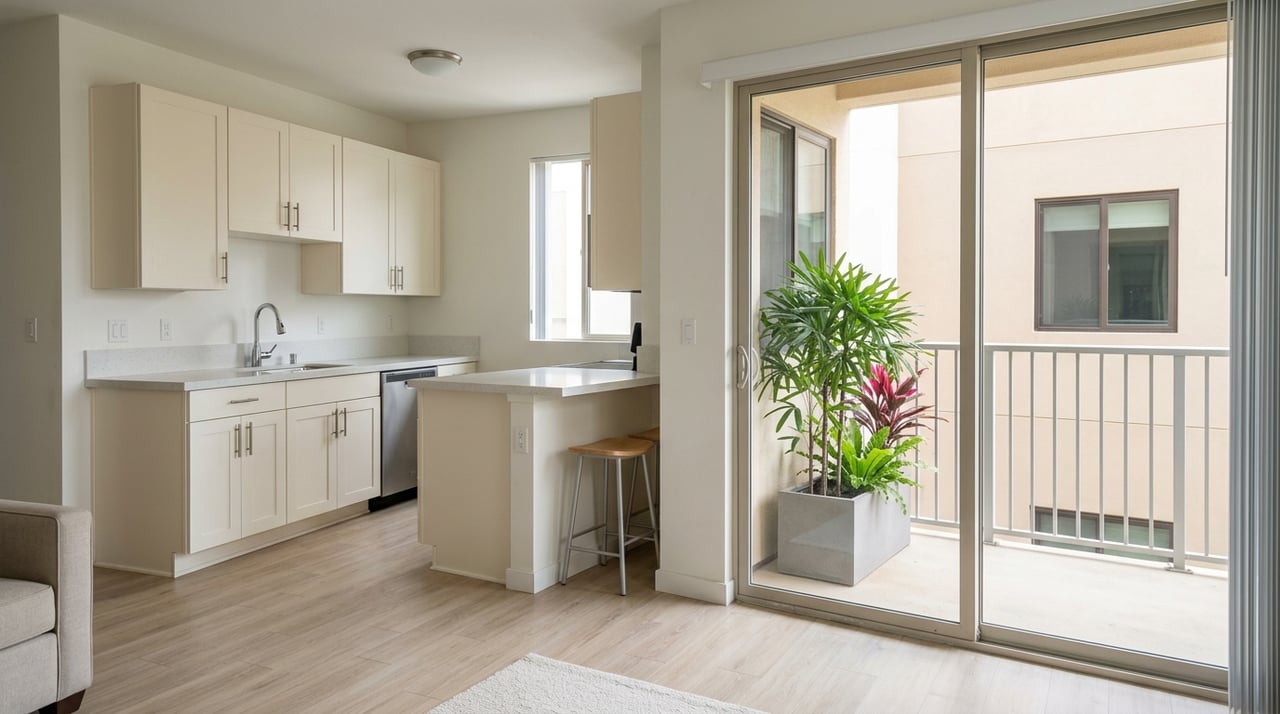
A condo often works well if you want convenience and a more central lifestyle. Honolulu’s Primary Urban Center is the county’s main area for future growth in housing and jobs, which helps explain why so many buyers look at condos near work centers, shopping, beaches, and other everyday destinations. If your goal is to stay connected to the urban core, condo living may line up well with how you want to live.
Condos can also appeal if you prefer less exterior upkeep. Under Hawaii condominium law, the association is responsible for operating the property, while unit owners are generally responsible for maintenance, repair, and replacement inside their own unit unless the governing documents say otherwise. In plain terms, you may have fewer exterior maintenance responsibilities than you would with a detached home.
For some buyers, that creates a true lock-and-leave advantage. If you travel often, split time between obligations, or want a simpler routine, a condo can feel easier to manage. That can be especially helpful for PCS relocations, remote buyers, and anyone who wants a more streamlined ownership experience.
Lower purchase price does not always mean lower monthly cost. Condo owners typically pay HOA or maintenance fees separately from the mortgage, and those fees can vary widely. That means your real monthly budget should include your loan payment, HOA dues, insurance needs, and the possibility of future fee changes.
Hawaii law requires boards to notify owners in writing at least 30 days before a maintenance-fee increase. That helps with transparency, but it does not remove the need for careful budgeting. Before you buy, it is smart to ask what the current monthly fees cover and how stable those costs have been.
On Oʻahu, reserve funding is not a small detail. The Hawaii Department of Commerce and Consumer Affairs explains that reserve studies track major common-area components like roofs, elevators, walls, and parking areas, along with expected repair timelines and costs. When reserves are not adequately funded, owners may face special assessments, borrowing, or deferred maintenance.
That is why condo due diligence needs to go beyond the unit itself. A beautiful kitchen or ocean view does not tell you whether the building is financially prepared for major future repairs. Reviewing reserve information and understanding the building’s financial picture can help you avoid surprises later.
Insurance has become a bigger topic for Hawaii condo buyers. State law generally requires condo associations to maintain property insurance on common elements, commercial general liability insurance, and a fidelity bond, unless the declaration or bylaws provide otherwise. In 2026, the Governor’s office said Hawaiʻi’s condominium insurance market had become increasingly unstable, and the state reactivated the Hawaiʻi Hurricane Relief Fund to help condominium and townhouse associations obtain hurricane commercial property insurance.
For buyers, the takeaway is simple: ask questions about insurance early. Insurance conditions can affect association costs, which may influence your total monthly ownership expense. It is another reason condo shopping in Honolulu should involve both lifestyle and document review.
A single-family home often makes more sense if you want more room and more control. You may prefer extra storage, more outdoor space, greater privacy, or flexibility around pets and parking. If those priorities are high on your list, a house can offer a different kind of day-to-day freedom.
That added autonomy comes with added responsibility. As a homeowner, you are generally responsible for repairs and maintenance, from small fixes to major items like a roof. You also need to plan for the costs that come with maintaining the property over time.
For many buyers, the biggest challenge is the price jump. In Honolulu, moving from a condo-level budget to a single-family budget is not a small step. Still, if space, privacy, and control matter more to you than central location or lower maintenance, a house may be the better long-term fit.
The best choice usually becomes clearer when you focus on how you actually live. A condo and a house can both be great options on Oʻahu, but they support different routines and priorities. Instead of asking which property type is better, ask which one matches your life right now.
Here are some of the most useful questions to consider:
If you lean toward a condo, document review is essential. In Honolulu, details like parking and pet rules are often governed by the project’s declaration, bylaws, and house rules, not by assumptions or listing descriptions. Two units in different buildings can offer very different ownership experiences.
The Hawaii Department of Commerce and Consumer Affairs advises buyers to check the declaration and bylaws first. Associations are supposed to provide accurate copies of the declaration, bylaws, and house rules. That means your due diligence should include reviewing those documents carefully before you commit.
Parking is a major issue in many Honolulu condo searches. Hawaii law requires a condominium declaration to include a parking plan if parking exists, showing locations, layout, and stall numbers. In practice, you should verify how many stalls come with the unit and whether those stalls are deeded, assigned, or shared.
That distinction can affect convenience and value. A unit with one assigned stall may fit your needs perfectly, while another buyer may need two deeded stalls or guest parking options. It is worth confirming the details in writing rather than relying on marketing language alone.
Pet-friendly does not always mean the same thing from one building to the next. Hawaii condominium law allows bylaws to impose reasonable restrictions related to pet noise and pets in common areas. Some buildings may allow pets with limits, while others may have stricter rules.
If you have a dog, cat, or future pet plans, read the rules early. Ask about number limits, size restrictions, common-area expectations, and any rules that may apply to tenants. This is especially important for buyers who want a smooth move with pets and do not want surprises after closing.
| Priority | Condo may fit better | House may fit better |
|---|---|---|
| Entry price | Lower median price in Honolulu | Higher median price in Honolulu |
| Maintenance | Less exterior responsibility | More direct maintenance responsibility |
| Location convenience | Often closer to urban core | May offer more space farther from core |
| Outdoor space | Usually more limited | Usually more private outdoor use |
| Parking flexibility | Must verify by documents | Often more direct control |
| Pet flexibility | Rule-based by building | Often more control, subject to property specifics |
In Honolulu, choosing between a condo and a house is really about matching your budget to your daily life. If you want a more attainable entry point, easier upkeep, and a central lifestyle, a condo may be the right move. If you want more space, privacy, and control, and you are prepared for the higher cost and added responsibilities, a house may serve you better.
For many Oʻahu buyers, especially relocating families, military households, and first-time purchasers, the right answer comes from looking closely at both numbers and lifestyle. When you understand the monthly costs, review the documents carefully, and stay honest about how you want to live, the path forward becomes much clearer.
If you are weighing condos versus houses on Oʻahu, Hawaii Home Group can help you compare options, understand the local details, and find the fit that makes your move feel right.
Stay up to date on the latest real estate trends.

We have 10 years of professional real estate experience. We love to help families, veterans and first time home buyers buy and sell. We both relocated to Oahu with our fur babies, to follow our dreams and live the Hawaii livestyle. Both of our families have deep roots in real estate, providing us strong real estate foundations.