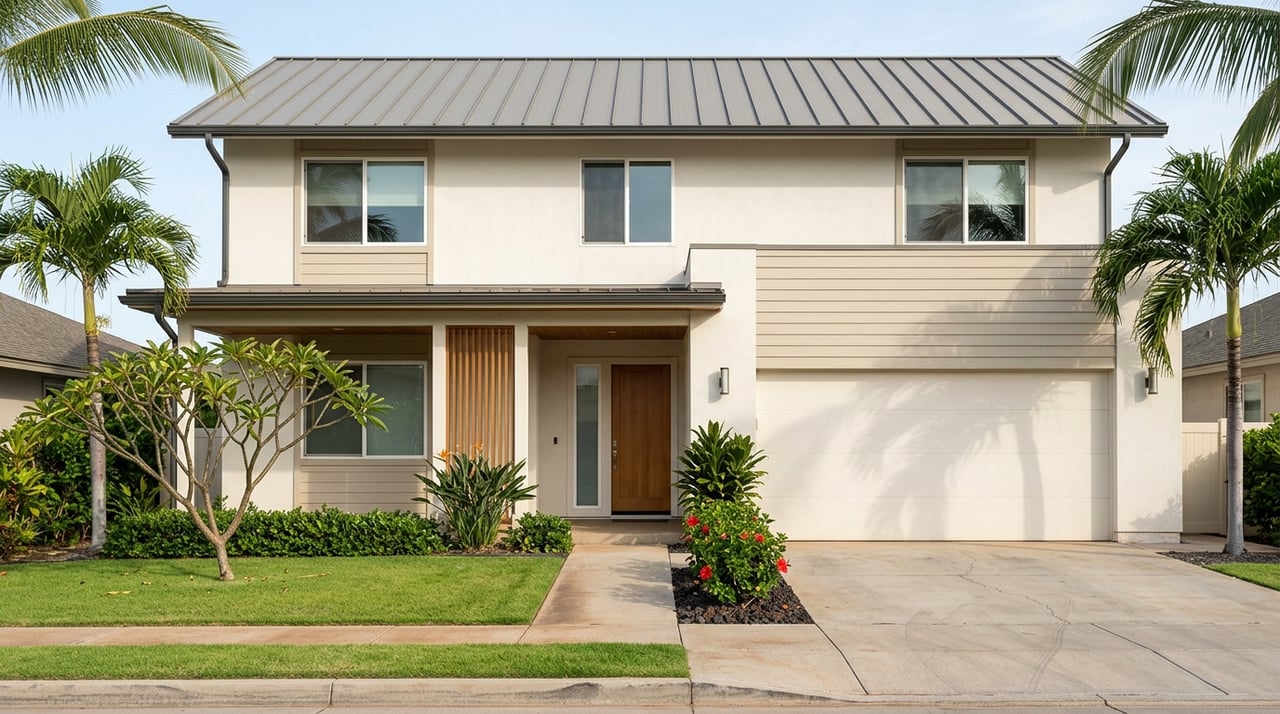
Living In Kailua: Beach Town Life On Oʻahu
April 23, 2026
April 23, 2026
Dreaming about waking up near the ocean without giving up the feel of a real community? Living in Kailua offers that rare mix of beach access, everyday convenience, and neighborhood life that draws both local movers and people relocating to Oʻahu. If you are wondering what day-to-day life actually feels like here, this guide will walk you through Kailua’s lifestyle, housing patterns, commute realities, and what makes this Windward side town stand out. Let’s dive in.
Kailua is not just a beach backdrop. It is a compact residential community on Oʻahu’s Windward side with 40,514 residents and 13,641 households, according to the U.S. Census QuickFacts for Kailua. With 7.77 square miles of land area and a population density of 5,212.8 people per square mile, it feels established and lived-in rather than spread out or resort-focused.
That local feel also shows up in the numbers. The same Census profile reports 72.3% owner occupancy, an average household size of 2.9, and 21.4% of residents under 18. If you are looking for a place that feels residential, active, and rooted in daily routines, Kailua checks a lot of boxes.
For many buyers, Kailua stands out because it blends outdoor lifestyle with practical day-to-day living. You get beach-town energy, but you also get grocery stores, dining clusters, community events, and transit connections that support real life.
It can be especially appealing if you are relocating and want a neighborhood that feels easy to understand once you arrive. Kailua has a clear town center, recognizable housing pockets, and strong home internet access, which matters if you work remotely or need a reliable setup during a move.
Beach access is one of Kailua’s biggest lifestyle advantages. Kailua Beach is a realistic everyday option because it is lifeguarded daily from 8:00 a.m. to 6:30 p.m., making it one of the more straightforward beach choices for regular use.
Lanikai has a different feel and a different level of logistics. According to the state’s 2025 beach-access listing, Lanikai has no public parking lots, restrooms, showers, or lifeguards, and parking restrictions apply on weekends and holidays. That does not make it off-limits, but it does mean your experience there usually takes more planning.
Kailua’s outdoor culture goes beyond beach time. The City’s Lanikai Transportation Management Plan identifies the Lanikai Pillbox hike and the Kailua-Lanikai multi-use path as part of the local recreation network, which helps explain why the area feels so active.
That said, the same city plan notes that public roadway access in Lanikai is limited and that parking, ingress, and egress are constrained. Visitor demand can create congestion and emergency-response concerns, so if you are considering this side of Kailua, it helps to go in with clear expectations about access and traffic flow.
One of the most practical parts of living in Kailua is how the commercial core is organized. Instead of one enclosed mall, the area has several retail and dining clusters identified on the Kailua Town map, including Kailua Shopping Center, Kailua Town Center, Lau Hala Shops, Kailua Village Shops, Hahani Plaza, Foodland Marketplace, Kailua Beach Center, and Merchants Row.
For you as a resident, that means errands, coffee stops, groceries, and casual meals are grouped in a way that often feels convenient and walkable within town. It creates a more neighborhood-oriented rhythm than a place where everything is spread far apart.
Kailua also has a strong event calendar that adds to its local character. The Kailua Farmers’ Market runs on Thursdays from 4:00 to 7:00 p.m. at Kailua Town Center and offers ample free parking.
Seasonal events add another layer to daily life. The annual I Love Kailua Town Party, hosted by Lani-Kailua Outdoor Circle since 1993, closes part of Kailua Road and features artisans, crafters, local food samplings, and entertainment for all ages, according to the market and event information in the research provided. These kinds of recurring events help reinforce Kailua’s community feel.
Kailua feels connected, but it is not a no-commute town. The Census reports a mean travel time to work of 29.1 minutes, which gives you a realistic picture of what daily travel can look like for many residents in the area.
Public transit is available through several TheBus routes, including 56, 66, 67, 87, and 671, which connect Kailua with Downtown Honolulu, Ala Moana, Kāneʻohe, Waimānalo, and Lanikai. Route information also notes that buses are lift-equipped and have bicycle racks, which can be helpful if you want options beyond driving.
If remote work is part of your move, Kailua shows strong household connectivity. The Census reports that 98.1% of households have a computer and 95.5% have a broadband subscription. Those numbers suggest that digital infrastructure is firmly part of everyday life here.
The same source notes that 88.3% of residents lived in the same house one year earlier, which points to a degree of residential stability. For many buyers, that combination of connectivity and consistency is part of what makes Kailua feel established rather than transient.
Kailua is not one-note when it comes to housing. A University of Hawaiʻi planning study describes Kailua Town as the most mixed area, with older plantation-style buildings, newer mainland-influenced development, and a blend of single-family and multi-family housing.
The same study describes Lanikai as having coastal homes on larger lots with more modern architecture. Enchanted Lake is characterized as mostly older single-family detached homes, while Aikahi/Kalaheo includes condos and townhomes. For buyers, that means your options can vary quite a bit depending on which part of greater Kailua fits your budget and lifestyle goals.
Kailua remains a premium market on Oʻahu. The U.S. Census QuickFacts profile shows a median owner-occupied home value of $1,353,700, while the median gross rent is $3,093.
Those numbers matter if you are comparing Kailua with other parts of the island. In practical terms, Kailua may be a better fit for buyers who are prioritizing coastal lifestyle, established neighborhoods, and daily beach access over a lower entry price point.
Kailua can be a strong fit if you want a real beach-town lifestyle with residential roots. It offers daily ocean access, community events, a recognizable town center, and housing choices that range from condos and townhomes to single-family homes and larger coastal properties.
It may be less ideal if your top priorities are easy parking everywhere, the shortest possible commute to Honolulu, or a lower-cost entry into Oʻahu real estate. Lanikai in particular tends to come with more transportation constraints and visitor pressure based on the city access data.
Kailua looks simple on a map, but the day-to-day experience can vary a lot depending on where you land. Beach access, commute patterns, housing style, and even how easy it feels to run errands can shift from one pocket to another.
That is where local guidance helps. If you are relocating to Oʻahu, moving on PCS orders, or trying to narrow down the right fit for your household, working with a team that understands Kailua at the neighborhood level can make your search a lot more focused. When you are ready to explore your options, connect with Hawaii Home Group for personalized guidance on buying or selling on Oʻahu.
Stay up to date on the latest real estate trends.

We have 10 years of professional real estate experience. We love to help families, veterans and first time home buyers buy and sell. We both relocated to Oahu with our fur babies, to follow our dreams and live the Hawaii livestyle. Both of our families have deep roots in real estate, providing us strong real estate foundations.