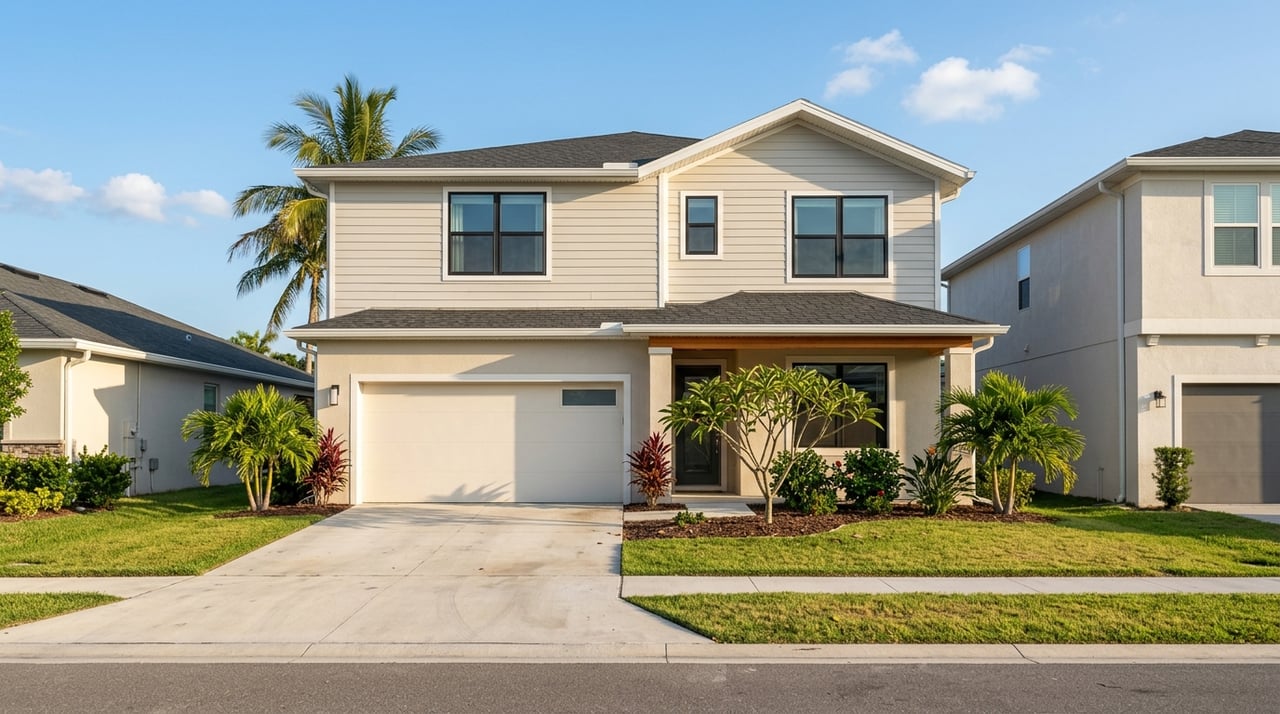
Ewa Beach vs Kapolei Homes: How to Choose in West Oʻahu
May 14, 2026
May 14, 2026
Trying to decide between Ewa Beach and Kapolei? You are not alone. Many West Oʻahu buyers narrow their search to these two areas because both offer strong owner-occupied housing markets, convenient access to daily essentials, and a different version of island living. If you want a clearer way to compare lifestyle, housing, commute, and convenience, this guide will help you sort out what fits your goals best. Let’s dive in.
If you strip the choice down to its core, Ewa Beach and Kapolei offer two different living patterns in West Oʻahu. Ewa Beach tends to feel more coastal and residential, while Kapolei is planned more like a regional urban center with business, shopping, government services, and higher-density housing around key nodes.
That difference matters because your day-to-day life may feel very different in each place. If you picture weekends near shoreline parks and a neighborhood-focused rhythm, Ewa Beach may stand out. If you want errands, services, and transit access clustered more closely together, Kapolei may feel like the easier fit.
Ewa Beach is described in the City and County of Honolulu’s ʻEwa Development Plan as an area with substantial residential growth and a mix of housing types. That includes affordable units, starter homes, larger single-family homes, and townhouse or low-rise apartment options in distinct neighborhoods.
In practical terms, that often gives Ewa Beach a more established, subdivision-based feel. You may notice a stronger sense of separate residential neighborhoods rather than one central urban core. For buyers who want a quieter home base with a coastal identity, that can be a big draw.
Another key feature is shoreline access. The county plan highlights coastal open spaces and shoreline parks such as Oneʻula Beach Park, ʻEwa Beach Park, and West Loch Shoreline Park, along with long-term goals for expanded shoreline access and park connections.
Kapolei is positioned differently in the county plan. The City of Kapolei is treated as the urban core of the Secondary Urban Center, with a balance of residential uses, business activity, regional shopping, government functions, and transit-oriented development.
That planning vision shapes how Kapolei feels on the ground. It often comes across as newer, more master-planned, and more centered around everyday convenience. If you like the idea of living closer to shopping, services, civic uses, and transit, Kapolei may check more boxes.
Kapolei also has more visible new-construction momentum. In 2024, the Hawaii Housing Finance and Development Corporation selected master planners for up to 900 affordable rental and for-sale homes in the Villages of Kapolei, and the agency’s broader Kapolei pipeline includes multi-phase projects such as Kulana Hale at Kapolei and development in East Kapolei.
Both areas offer a range of home types, but the mix is not exactly the same. Ewa Beach supports detached single-family homes, attached homes, townhouses, and low-rise apartment options, while Kapolei’s planning framework places more emphasis on mixed-use and higher-density housing near transit nodes and commercial centers.
If you want a home search focused more on neighborhood-scale residential options, Ewa Beach may feel more natural. If you want to consider newer communities or areas built around transit and mixed-use convenience, Kapolei may offer more of that environment.
Price is another important part of the comparison. In the 2020-2024 American Community Survey, the median value of owner-occupied housing units was $748,800 in Ewa Beach and $744,200 in Kapolei, which is very close.
Recent sale prices show more separation. Redfin reported a March 2026 median sale price of $777,000 in Ewa Beach and $840,000 in Kapolei. That suggests Kapolei is currently trading at a premium in the active market, even though long-run Census housing values are fairly similar.
Here is a simple side-by-side view:
| Category | Ewa Beach | Kapolei |
|---|---|---|
| Planning identity | Coastal residential community | Regional urban core |
| Housing feel | More established, neighborhood-based | Newer, mixed-use, master-planned |
| 2020-2024 median owner-occupied value | $748,800 | $744,200 |
| March 2026 median sale price | $777,000 | $840,000 |
| Owner-occupancy rate | 72.9% | 76.5% |
Commute is often one of the biggest deciding factors, especially if you are relocating, balancing work schedules, or trying to simplify family logistics. Census data shows a mean commute time of 38.0 minutes for Ewa Beach workers and 31.2 minutes for Kapolei workers.
That does not guarantee your personal commute will match those numbers. Still, it suggests Kapolei residents are, on average, more closely connected to major West Oʻahu employment and service areas.
Transit access also tilts toward Kapolei. HART’s Skyline currently runs from East Kapolei to Kalihi, with west-side stations including East Kapolei, UH-West Oʻahu, Hoʻopili, and West Loch.
Ewa Beach is still transit-served, but the setup is different. TheBus Route 47 runs between UH-West Oʻahu Station and Ewa Beach, which means transit often involves a bus connection rather than direct rail adjacency.
Kapolei also has TheBus Route 415 serving the Kapolei Transit Center and the Kalaeloa and Villages of Kapolei area. If direct access to rail, regional bus service, and the civic-commercial core matters to you, Kapolei generally has the stronger transit profile.
Lifestyle can be just as important as square footage or list price. The right fit often comes down to how you want your surroundings to feel during a regular week, not just on move-in day.
Ewa Beach has the stronger shoreline identity. If your ideal West Oʻahu routine includes coastal parks, beach-adjacent open space, and a more outdoors-oriented residential setting, Ewa Beach may line up better with that picture.
Kapolei’s park structure is more centralized. The county plan describes Kapolei Regional Park as the major park for the City of Kapolei and the surrounding region, with 73 acres intended for diverse active and passive recreation within walking distance of the City Center and the Villages of Kapolei.
That makes Kapolei feel different from Ewa Beach. Instead of a shoreline-park identity, you get more of a city-style recreation hub tied to surrounding neighborhoods and services.
When buyers compare two areas, they often focus first on the home itself. But after move-in, your daily pattern often matters just as much. Grocery runs, appointments, quick meals, shopping, and transit access can shape how easy your week feels.
Kapolei is the stronger regional retail hub. The county plan says regional commercial centers are intended to be concentrated in the City of Kapolei, and Ka Makana Aliʻi identifies itself as West Oʻahu’s first and only regional shopping center with more than 100 stores and restaurants, a theater, a hotel, highway access, and public transportation access.
Healthcare access is also strong nearby. The Queen’s Medical Center – West Oʻahu opened in 2014, and Queen’s also operates EmPower Health in Ewa Beach and urgent care in the Kapolei area.
For many buyers, that means both areas offer practical access to care without needing to head into urban Honolulu for routine needs. Still, Kapolei often feels more centered around services, while Ewa Beach feels more residential with those services nearby.
Ewa Beach may be a better fit if you want a home base that feels more residential, coastal, and established. It can also appeal to buyers who like a broader mix of single-family homes, townhouses, and low-rise housing in neighborhood-focused settings.
You may want to lean toward Ewa Beach if these priorities sound familiar:
For many relocating buyers and local families, Ewa Beach works well when lifestyle and residential feel matter more than being closest to the region’s main shopping and transit hub.
Kapolei may be the stronger fit if you want newer development, mixed-use convenience, and easier access to West Oʻahu’s commercial and civic core. It can also be a smart choice if transit options and shorter average commute times are high on your list.
You may want to lean toward Kapolei if these priorities sound familiar:
For busy households, military relocations, and buyers who want a smoother day-to-day routine, Kapolei often stands out for convenience.
If you are stuck between the two, try ranking these three factors from most important to least important: budget, commute tolerance, and preferred lifestyle setting. That simple exercise often makes the right choice easier.
Choose Ewa Beach if you want the residential coast version of West Oʻahu. Choose Kapolei if you want the regional city version of West Oʻahu.
Both areas have strong owner-occupied housing markets, a wide range of housing opportunities, and access to important services. The better choice is the one that fits how you want to live each day, not just what looks best on paper.
If you are weighing Ewa Beach against Kapolei and want guidance tailored to your timeline, budget, and lifestyle goals, Hawaii Home Group can help you narrow the search and move with confidence.
Stay up to date on the latest real estate trends.

We have 10 years of professional real estate experience. We love to help families, veterans and first time home buyers buy and sell. We both relocated to Oahu with our fur babies, to follow our dreams and live the Hawaii livestyle. Both of our families have deep roots in real estate, providing us strong real estate foundations.