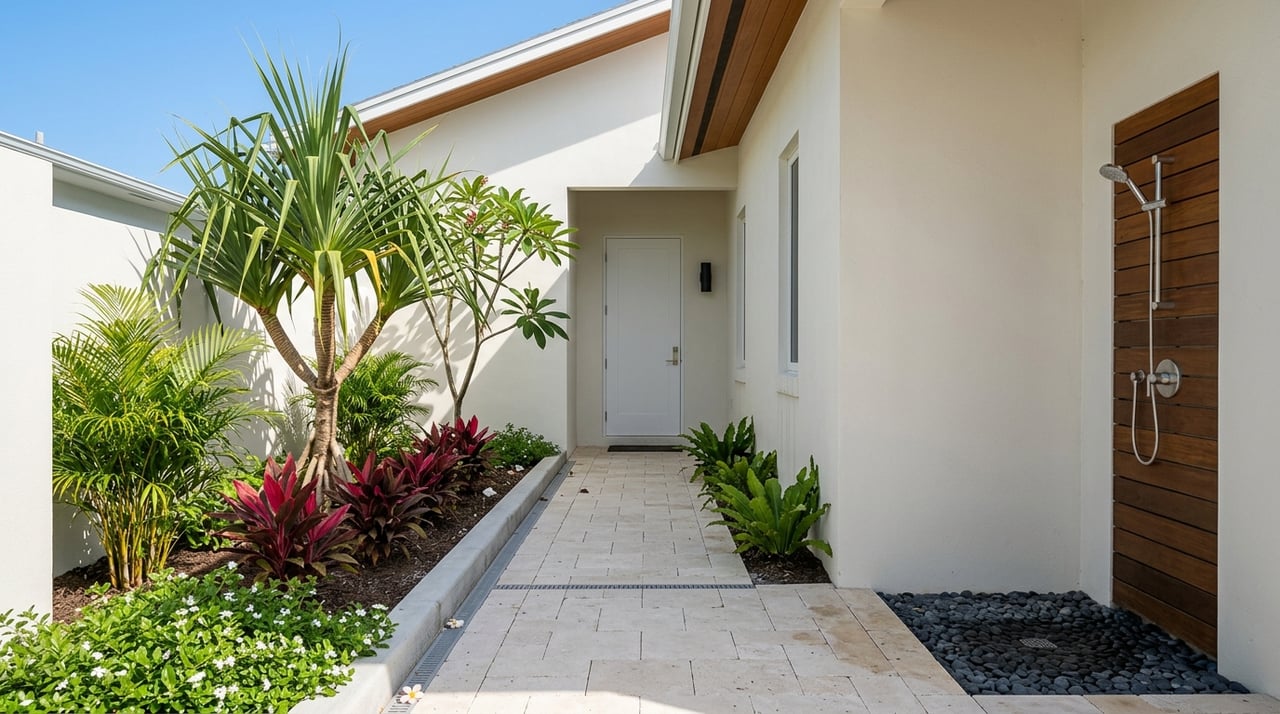
Buying a Home Near Lanikai: What to Know First
July 2, 2026
July 2, 2026
Dreaming about waking up near one of Oʻahu’s most photographed shorelines? Buying near Lanikai Beach can feel like a lifestyle upgrade and a major investment decision at the same time. If you are considering this iconic coastal area, it helps to understand not just the beauty, but also the market, access realities, and shoreline factors that come with ownership here. Let’s dive in.
Lanikai is a coastal residential community on Kailua’s Kaʻōhao shoreline. According to Honolulu’s 2025 Lanikai Transportation Management Plan, the neighborhood was developed in the 1920s and has only one roadway in and out. That limited access is part of what makes the area feel distinct, but it also shapes daily life in practical ways.
The shoreline setting is a major part of Lanikai’s appeal. The city identifies the Lanikai-Kaʻōhao shoreline and the Mokulua Islands as major visitor attractions, and the islands are some of the most photographed features in the area. The Lanikai Pillbox, also known as the Kaʻiwa Ridge trail, adds another layer of outdoor appeal for buyers who value easy access to scenic recreation.
If you are shopping in Lanikai, it helps to look at Kailua for broader market context. The U.S. Census Bureau reports Kailua had 40,514 residents in 2020, with a median owner-occupied home value of $1,353,700 using 2020 to 2024 ACS data. Median monthly owner costs with a mortgage were reported at $3,948.
Recent market trackers show Kailua remains a high-cost market. Redfin reported a median sale price of $1.5 million for the three months ending April 2026, with homes taking about 83 days to sell and averaging 2 offers. Zillow reported an average Kailua home value of $1,530,716, with homes going pending in about 33 days as of April 30, 2026.
Lanikai itself tends to have limited inventory. Zillow’s single-family search page showed 56 homes for sale at crawl time, which is only a snapshot but still useful for understanding that available options may be tight. For buyers, that means preparation matters, especially if you are relocating to Oʻahu or trying to coordinate a move on a set timeline.
One of the biggest things to understand before buying near Lanikai Beach is that access is limited. Honolulu’s transportation plan says public roadway access is limited to one roadway in and out of the neighborhood. That may sound simple on paper, but it can affect traffic flow, guest visits, beach-day logistics, and how the neighborhood feels during busy periods.
The same plan says Lanikai’s roads, access points, and parking are constrained, with little room for expansion. ʻAʻalapapa Drive and Mokulua Drive each have one travel lane, a bike lane, bus service, and no on-street parking. On peak-demand days, the city observed more than 171 illegally parked cars on the unimproved sidewalk.
For you as a buyer, this means convenience may look different here than in other coastal communities. A home’s exact location, driveway setup, and relationship to access routes can have a real effect on your day-to-day experience. These are details worth discussing early during your home search.
Lanikai Beach is public, but the logistics are important. The city says the half-mile beach is reached through public and private shoreline access points, yet there are no public parking lots, restrooms, showers, or lifeguards serving the beach. That combination makes the beach beautiful and low-infrastructure, but it also changes how you and your guests may plan visits.
Parking is one of the most common buyer questions, and the answer is straightforward. There are no public parking lots for Lanikai Beach, and neighborhood parking is limited and constrained. If you are used to beach areas with large lots and visitor amenities, Lanikai operates very differently.
The Lanikai Pillbox trail has similar constraints. The city says the hike is accessed from private property off Kaʻelepulu Drive and has no parking or restroom infrastructure near the trailhead. If trail access is a big part of why you want to live nearby, it is wise to think through what that means in real life, not just in listing photos.
Some visitors use off-site parking and transit to reach Lanikai. Honolulu’s plan points to Kailua’s municipal parking lot and garage as part of the access solution. TheBus Route 671 Kailua-Lanikai operates about every 40 minutes on weekdays, weekends, and holidays between 6:00 a.m. and 7:30 p.m.
Still, the city also notes that parking outside Lanikai is not a complete substitute for neighborhood parking because visitors still need another way to get into the area. For buyers, that reinforces an important point: if easy guest access matters to you, it is worth evaluating each property with that in mind. Not every home will function the same way for everyday living or hosting.
Buying near the shoreline in Hawaiʻi means understanding public access rights. According to the Department of Land and Natural Resources, shoreline public access is a common law right, and beach transit corridors seaward of the shoreline are public property. Coastal landowners must also maintain seaward vegetation so it does not block access.
That matters because some buyers assume owning near the beach creates more private control over shoreline use than it actually does. In Lanikai, your property may offer proximity and views, but shoreline access rules still apply. Clear expectations can help you avoid surprises after closing.
Coastal beauty should always be paired with coastal due diligence. Hawaiʻi’s State Climate Change Portal says sea level has already risen 5 inches since 1970. Under an intermediate scenario, the state can expect about 8 more inches by 2050 and 3.5 feet by 2100.
The same state source says high-tide flooding increased from 2 days a year in the 1970s to 40 days a year in the 2010s. It also reports that 50% of Kailua’s population resides below expected flood zones. For buyers looking in and around Lanikai, these are not abstract numbers. They are part of the long-term ownership picture.
A practical next step is parcel-level review. FEMA identifies its Flood Map Service Center as the official source for NFIP flood hazard information, making a flood map check a standard diligence step before you assume a property’s insurance profile or flood exposure. In a coastal purchase, this should be part of your early review, not an afterthought.
A great Lanikai home search is not just about finding the prettiest street or the best photos. It is about matching the property to how you actually want to live on Oʻahu. If you are serious about buying near Lanikai Beach, focus on a few practical checkpoints before writing an offer.
Here are key items to verify:
This is especially important if you are relocating or buying remotely. A home can look perfect online while still having logistical details that deserve a closer look in person or through careful local guidance.
Lanikai offers a very specific kind of lifestyle. You are buying into a residential coastal setting tied closely to beach access, trail appeal, limited infrastructure, and a broader Kailua market that already sits at a premium price point. For many buyers, that tradeoff is exactly the point.
The key is going in with clear eyes. If you understand the market, respect the shoreline environment, and plan around access and parking realities, you can make a more confident decision about whether Lanikai fits your goals. And if you are moving from the mainland or coordinating a PCS or remote move, local guidance can make those details much easier to navigate.
If you are exploring coastal homes in Kailua or planning a move to Oʻahu, Hawaii Home Group can help you compare lifestyle, logistics, and property fit so you can move forward with clarity.
Stay up to date on the latest real estate trends.

We have 10 years of professional real estate experience. We love to help families, veterans and first time home buyers buy and sell. We both relocated to Oahu with our fur babies, to follow our dreams and live the Hawaii livestyle. Both of our families have deep roots in real estate, providing us strong real estate foundations.