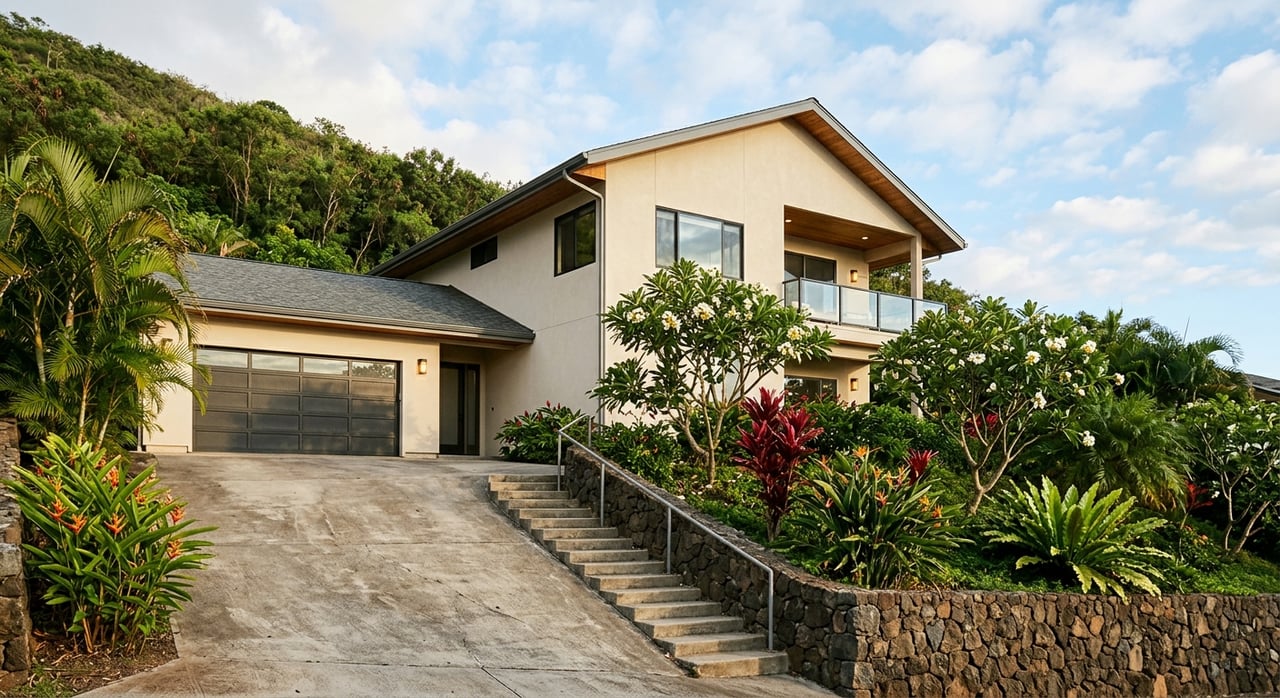
Makakilo Hillside Homes: Views, Breezes, and Tradeoffs
June 11, 2026
June 11, 2026
Looking for breezes, wider views, and a little distance from the busier pace below? Makakilo stands out as one of West Oʻahu’s hillside communities, and that setting shapes how it feels to live there day to day. If you are considering a move to this part of Oʻahu, this guide will help you understand the views, home types, and practical tradeoffs that come with hillside living in Makakilo. Let’s dive in.
Makakilo sits on the foothills above Kapolei, creating a more elevated, hillside setting than many nearby West Oʻahu neighborhoods. Some parts of the area rise to about 1,000 feet, which helps explain why so many homes are marketed for their outlooks and breezes.
That uphill location also shapes the local feel. Neighborhood descriptions commonly note that Upper Makakilo tends to feel cooler and breezier than lower areas, while Lower Makakilo is known for older custom homes and often larger lots. Since nearby NOAA climate readings are based on lower-elevation stations, it is best to think of Makakilo’s cooler feel as a local microclimate effect rather than a separate official climate zone.
One of Makakilo’s biggest draws is simple: elevation can create a stronger sense of space. Depending on the property, you may find coastline views, ocean views, or wide neighborhood and mountain outlooks that feel more open than homes on flatter ground.
The breezier setting is another reason buyers look here. If you like the idea of coming home to a more elevated part of Kapolei’s surrounding area, Makakilo often offers that hillside atmosphere while still keeping you connected to everyday needs below.
Makakilo is not a one-size-fits-all neighborhood. Housing options generally range from condominiums and townhomes to larger detached homes, which gives buyers several paths depending on budget, layout needs, and maintenance preferences.
Census data estimates Makakilo had 19,877 residents and a 77.6% owner-occupied housing rate in 2020 to 2024. That supports what many buyers already notice on the ground: this is a strongly homeowner-oriented residential area rather than a dense rental district.
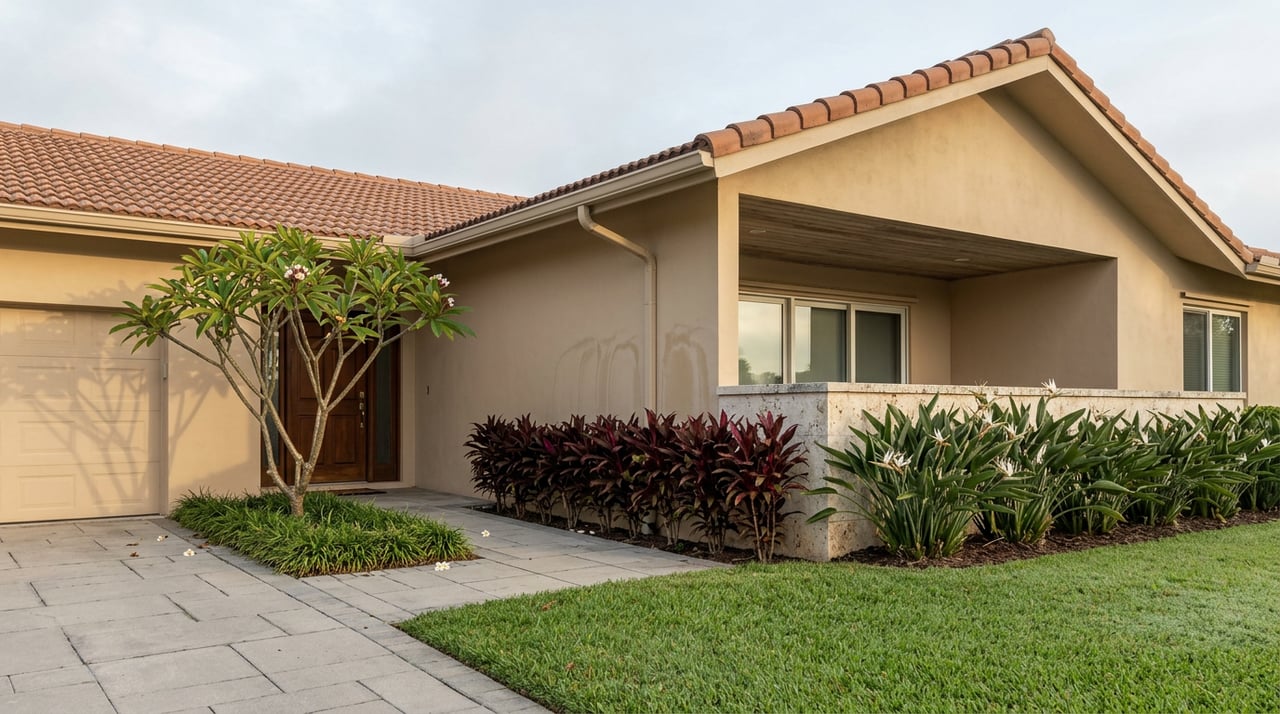
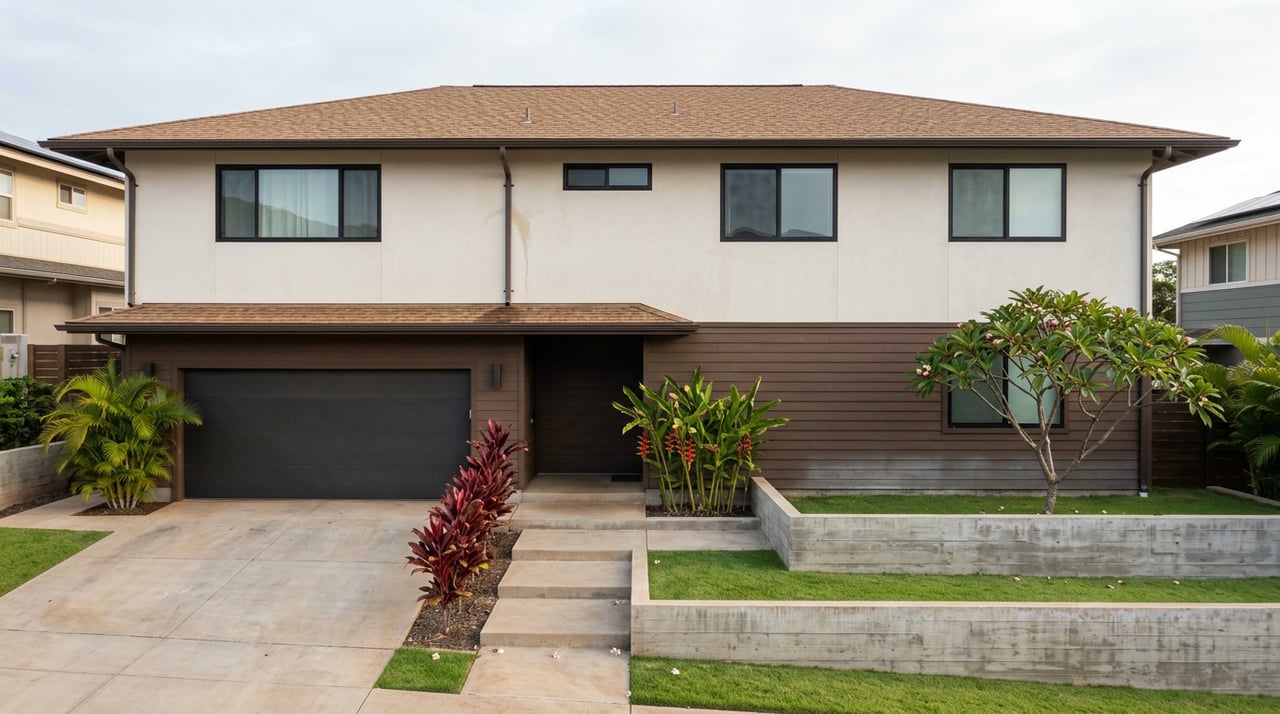
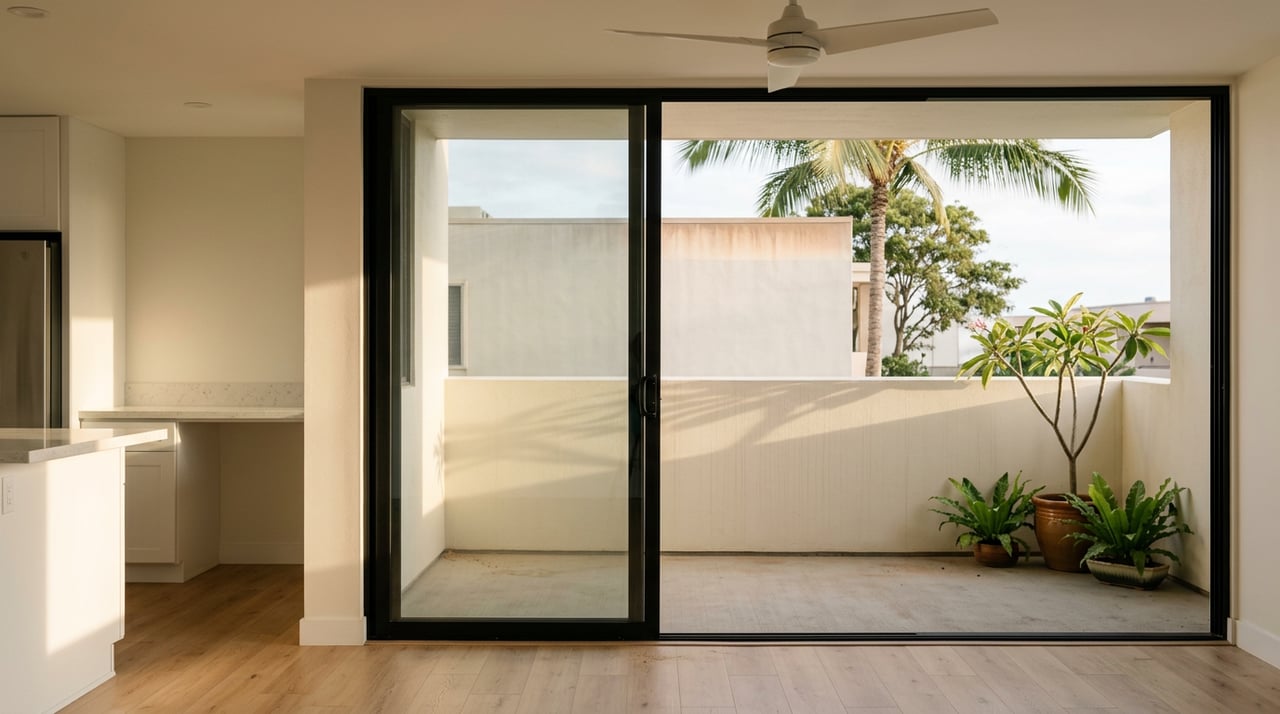
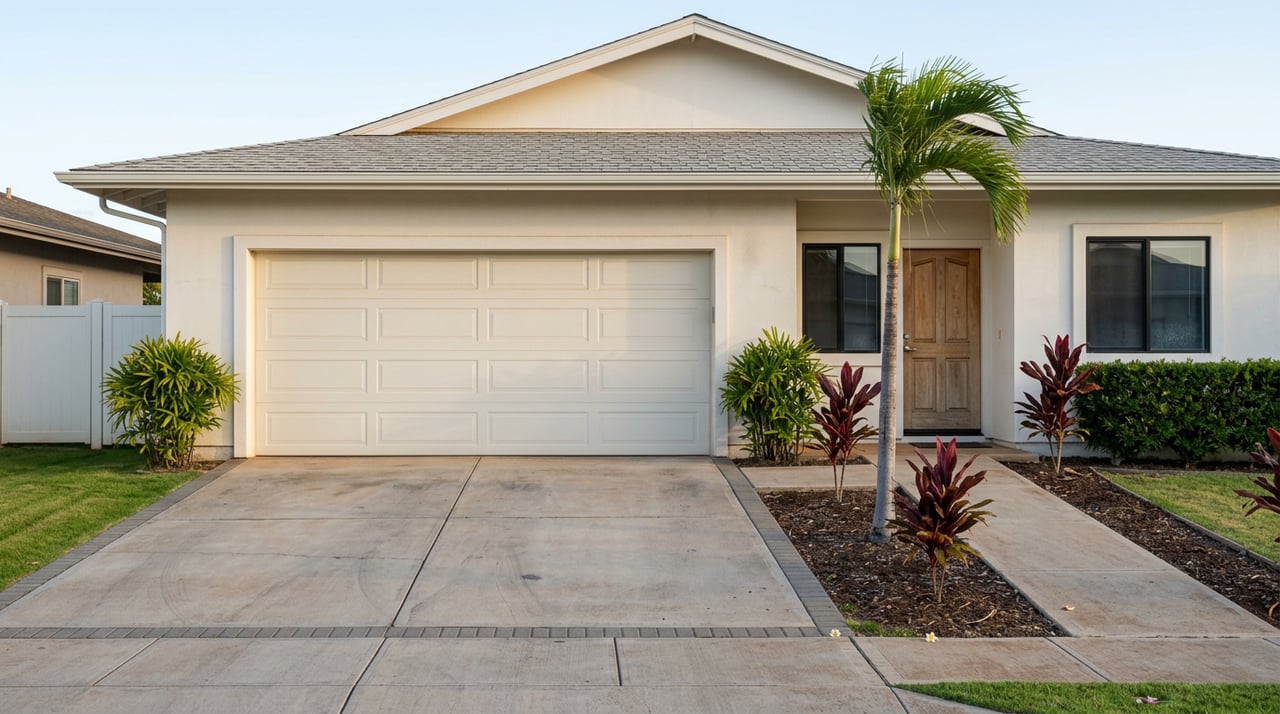
Upper Makakilo is often associated with newer, more master-planned communities. In this part of Makakilo, you may see split-level townhomes and detached homes with features like enclosed two-car garages, driveway parking, private lanais, and view-oriented positioning.
For some buyers, that setup can feel very practical. You may get built-in parking, a more structured community layout, and less exterior responsibility than you would on a larger lot.
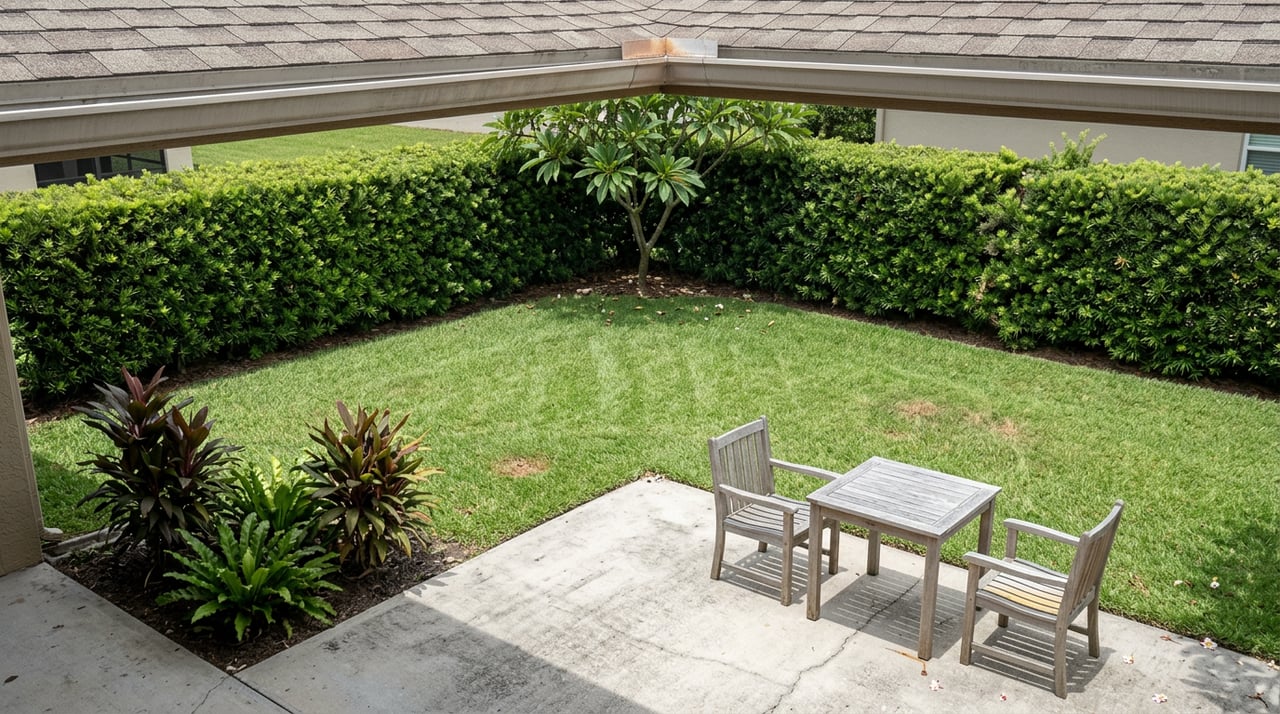
Lower Makakilo is often known for older custom homes and larger lots. A larger lot can be appealing if you want more outdoor space, but it can also mean more yard care and exterior upkeep.
Another difference buyers often notice is fees. Lower Makakilo is commonly described as having homes without maintenance fees, while upper-area communities are more likely to be fee-based. That does not make one better than the other, but it does mean you should compare monthly costs carefully.
Makakilo’s scenery is a real advantage, but hillside living also comes with practical details that matter. If you go in with clear expectations, you can decide whether the setting truly fits your lifestyle.
In Makakilo, stairs are often part of the package. Many listings feature split-level or multi-story designs, with living spaces on one level and bedrooms on another.
If you need single-level living, it is smart to make that a priority from the beginning of your search. This can save you time and help you avoid falling in love with a floor plan that does not work for your day-to-day needs.
Parking is another key issue to check early. Many homes and townhomes include garages and driveways, but the number of stalls and any guest parking rules can vary by project.
That matters even more in a car-dependent area. If your household has multiple drivers, or if you often host visitors, parking details should be part of your first-round screening.
A larger lot can offer flexibility and outdoor room, but it may also require more maintenance. In some lower-area homes, that can mean more regular yard work and exterior care than buyers first expect.
By contrast, some upper-area communities may reduce some of that burden through community structure, though monthly fees may be part of the tradeoff. The right choice depends on whether you prefer more independence or more convenience.
Makakilo works best for buyers who are comfortable with a suburban, car-forward lifestyle. Walkability scores reflect that reality, with Redfin reporting a Walk Score of 14 and Homes.com rating walkability at 20 out of 100.
In practical terms, most errands are easier by car than on foot. Kapolei supplies much of the nearby shopping and dining, while H-1 serves as the major connector for getting around West Oʻahu and beyond.
Commute times from Makakilo can vary a lot depending on traffic and your schedule. Census QuickFacts reports a mean travel time to work of 33.5 minutes for workers in Makakilo.
Typical drive estimates suggest Makakilo to Honolulu can take about 29 minutes, while Honolulu to Kapolei can take about 30 minutes, but those numbers are highly traffic-sensitive. If you are moving for work, school, or a PCS relocation, it is worth checking drive times during your actual expected commute window.
Transit is available, but it is route-based rather than right-at-your-door rail convenience. TheBus Route 411 serves Makakilo Heights, and Route 414 serves Palahia, Makakilo, and Kapolei, with service also shown toward Keoneae UH-West Oʻahu Station.
For some households, that can be a useful option. Still, most buyers will want to think of Makakilo primarily as a neighborhood where car access remains important.
Because Makakilo includes different subareas and housing styles, the best home for you may come down to a few very specific details. Before you move forward on any property, ask questions like these:
These questions can help you compare homes more clearly. They also help you look beyond the view and focus on how the property will function for your daily life.
Makakilo can be a great fit if you want a hillside West Oʻahu setting with a residential feel, a variety of home options, and the possibility of breezes and broader views. It especially appeals to buyers who are comfortable with driving, open to split-level living, and interested in the tradeoff between elevation and convenience.
If you are relocating to Oʻahu, moving across the island, or trying to narrow down Kapolei-area options, Makakilo is worth a close look. The key is matching the specific part of Makakilo and the specific home style to the way you actually live.
When you are ready to explore Makakilo with local guidance and a smooth, relationship-first approach, connect with Hawaii Home Group to start your Oʻahu move.
Stay up to date on the latest real estate trends.

We have 10 years of professional real estate experience. We love to help families, veterans and first time home buyers buy and sell. We both relocated to Oahu with our fur babies, to follow our dreams and live the Hawaii livestyle. Both of our families have deep roots in real estate, providing us strong real estate foundations.